
Search Fort Lauderdale Booking Records
Booking releases in Fort Lauderdale are part of the public record system run by Broward County. When law enforcement books someone into jail, that data goes into a database. The Broward County Sheriff handles custody and jail records for Fort Lauderdale and the rest of Broward County. You can search for inmate names, booking dates, charges, and release times through online portals and direct contact with the county jail. Local police also keep arrest logs that tie into the booking system. These records help you track who is in jail and when they might get out.
Fort Lauderdale Quick Facts
Where Fort Lauderdale Booking Records Are Kept
The Fort Lauderdale Police Department (FLPD) provides local law enforcement in Fort Lauderdale, but the Broward County Sheriff runs the county jail. This is how most Florida cities work. City police make arrests, and the county sheriff books people into jail and keeps custody records. If you want to find booking releases in Fort Lauderdale, you need to check with Broward County, not the city police directly.
The Fort Lauderdale Police Department is located at 1300 W. Broward Blvd, Fort Lauderdale, FL 33312. You can call (954) 828-5700 for police reports and local arrest info. For jail records, contact the Broward County Sheriff at (954) 831-5900. They handle all bookings for Fort Lauderdale and other parts of Broward County.
| Agency | Fort Lauderdale Police Department (FLPD) / Broward County Sheriff |
|---|---|
| Address | 1300 W. Broward Blvd, Fort Lauderdale, FL 33312 |
| Phone | (954) 828-5700 |
| Jail Info | (954) 831-5900 |
Search Fort Lauderdale Inmates Online
The fastest way to find booking releases in Fort Lauderdale is through the online inmate search. Broward County provides a web portal where you can type in a name or booking number and see results. The database updates often, so you get current information on who is in jail and who was released recently. Most counties refresh their rosters every hour or every few hours.
To search for Fort Lauderdale booking records, go to releaselog.sheriff.org. This is the official Broward County inmate search portal. You can search by first name, last name, or booking number if you have it. The results show booking date, charges, bond amount, and custody status. If someone was released, you will see the release date too.
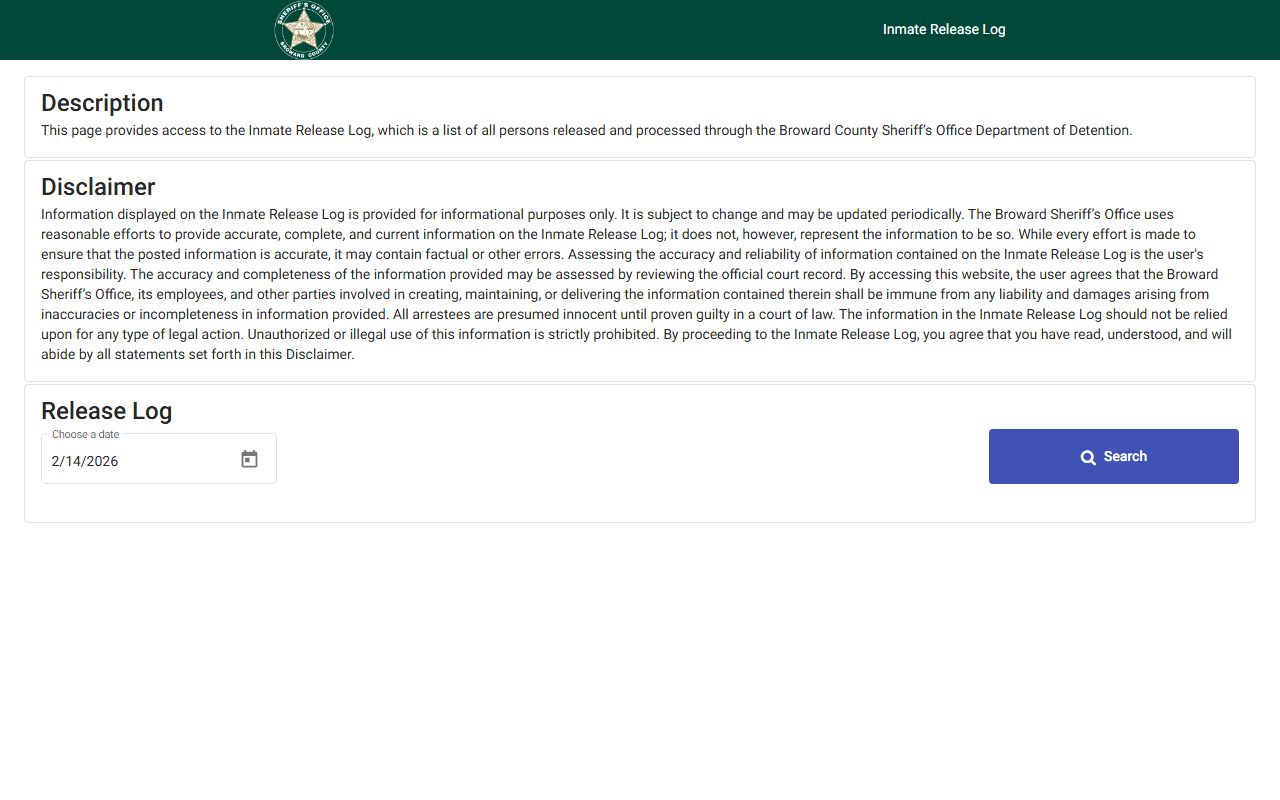
Some searches return multiple results if the name is common. You may need to check birth dates or case numbers to find the right person. The online tool is free to use. You do not need to create an account or pay a fee for basic searches. This makes it easy to look up booking releases in Fort Lauderdale anytime you have internet access.
Note: Inmate rosters may not include juveniles or individuals in protective custody due to privacy rules.
How to Request Records
If you need more than what the online search shows, you can request detailed booking records from Broward County. Under Florida public records law, you have the right to ask for copies of arrest reports, booking sheets, and related documents. The agency must provide these records unless they fall under a legal exemption.
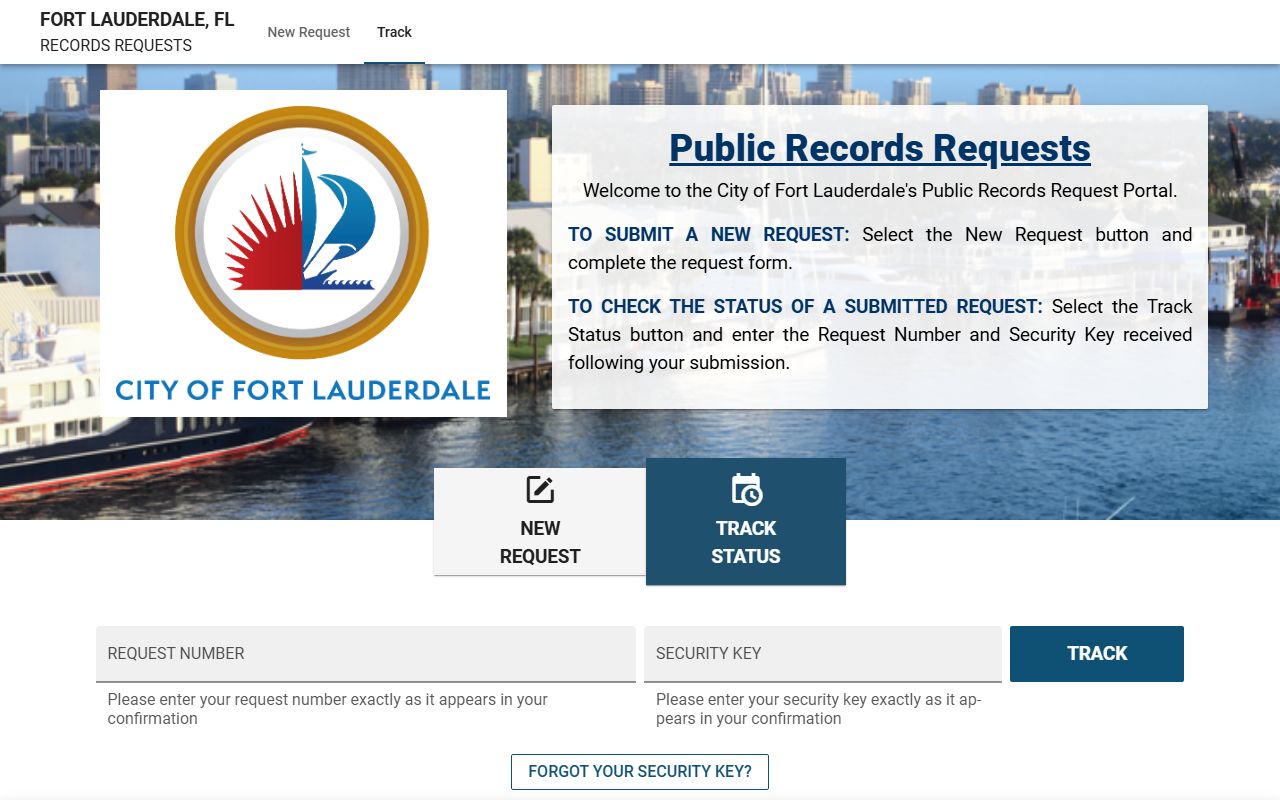
Broward County offers a public records portal at fortlauderdalefl.justfoia.com/publicportal. You can submit requests online and track their status. Most agencies respond within a few days. Simple requests like booking sheets are usually quick, while complex requests may take longer.
Florida law allows agencies to charge for copies and staff time. Under Section 119.07, F.S., the standard copy fee is $0.15 per page. If your request requires extensive research, the agency can charge for the time it takes to locate and review records. Always ask for a cost estimate before they start work on a large request.
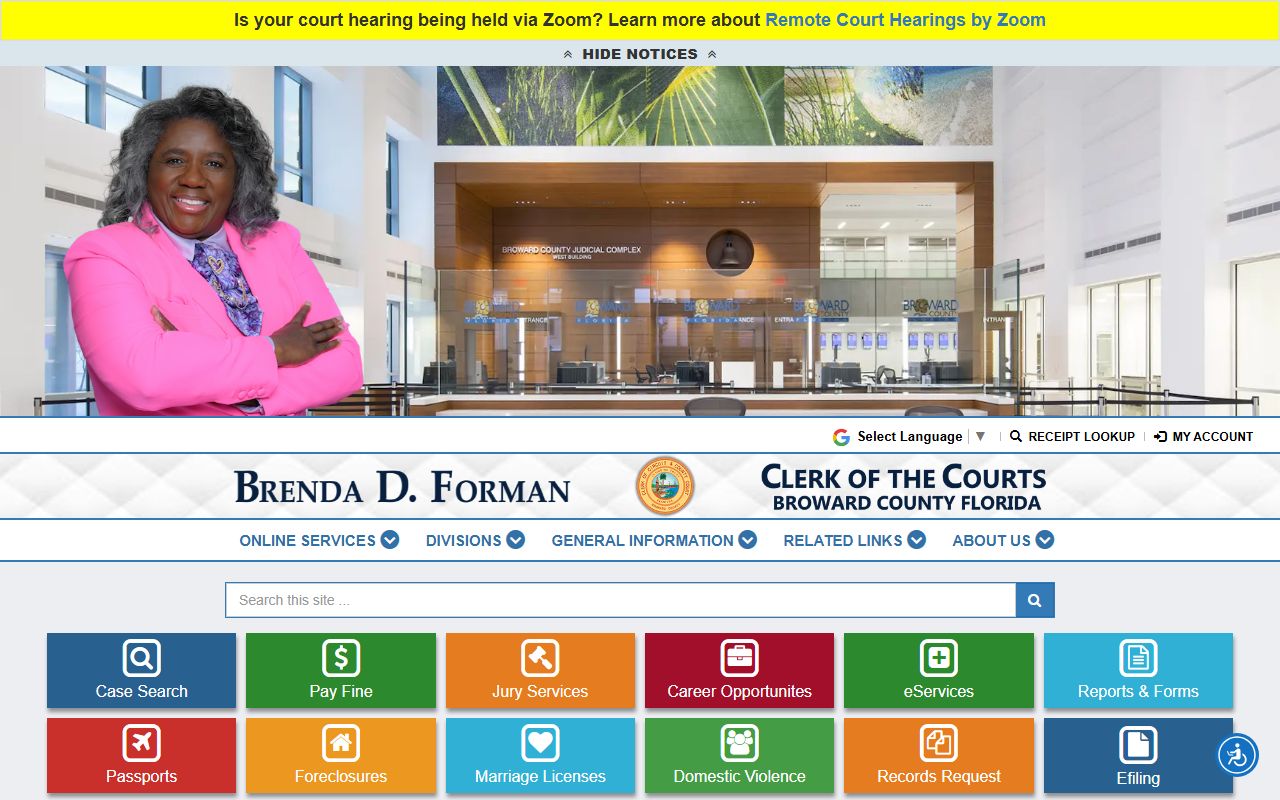
The Clerk of Court also keeps court records related to criminal cases in Broward County. If you need case files, judgments, or sentencing information, check with the clerk's office. They maintain a separate database from the jail roster.
Here are steps to request booking records in Fort Lauderdale:
- Identify what records you need and gather any case or booking numbers
- Submit your request through the county portal or by email
- Wait for a response with a cost estimate if applicable
- Pay any fees and receive your records
Fort Lauderdale Law Enforcement Resources
Multiple agencies in Fort Lauderdale handle different parts of the criminal justice system. Understanding which agency has the information you need can save time. Below are the main resources for accessing booking and arrest data in Fort Lauderdale.
Each of these resources serves a different purpose. The inmate search shows current jail status. The police records unit handles arrest reports. The clerk maintains court case files. Using the right resource for your specific need will get you results faster.
Florida Public Records Law
Florida has some of the strongest public records laws in the nation. Chapter 119 of the Florida Statutes guarantees public access to government records, including booking and arrest information. This law applies to all agencies in Fort Lauderdale and Broward County.
Under Section 119.011, F.S., the time, date, location, and nature of a reported crime are public information. The name, sex, age, and address of an arrested person are also public. These details cannot be withheld as confidential criminal intelligence or investigative information. This means booking data is public by default.
You do not need to explain why you want booking records. The law does not require you to state a purpose for your request. Agencies cannot ask why you need the information or deny your request based on how you plan to use it. This protects your right to access public records without interference.
Some information is exempt from public records. Section 119.071, F.S., lists specific exemptions. Active criminal intelligence and ongoing investigations may be withheld temporarily. Social security numbers and certain addresses are redacted. However, basic booking data like names, charges, and booking dates are almost never exempt.
If an agency denies your request, they must cite a specific statute that allows the exemption. You have the right to appeal or seek legal help if you believe a denial is improper. Many legal aid organizations in Florida assist with public records disputes at no cost.
Note: Agencies must respond to public records requests promptly, but Florida law does not set a specific deadline.